
Clarkstown City Directory Holdings
The documented Clarkstown city directory shelf is functional rather than a single publisher series. The strongest address-to-occupant source is the Rockland Cross Reference Directory run in the New City Library Rockland Room. County telephone books extend the local name-and-address trail much farther back. Newspapers, census material, maps, family histories, and archival rolls fill the years those volumes do not cover. No official source found a complete Polk-style, year-by-year Clarkstown run, so a claimed publisher sequence should not be assumed.
| Collection | Years | Where held | Access |
|---|---|---|---|
| Rockland Cross Reference Directories | 1978-1999 | New City Library Rockland Room | Physical reference source for address or street-to-occupant clues. |
| Rockland County telephone books | 1910-1998 | New City Library microfilm | Subscriber name, address, and telephone clues; not every household appears. |
| Rockland Journal News | 1850-present | New City Library microfilm; licensed database from 1945 | Notices, obituaries, property items, and dated local references. |
| Federal and New York census material | Federal 1790-1950; state references 1830-1925 | Library, GSRC, archives, and approved research services | Household and locality context rather than a modern address index. |
For an early household, begin with the library and then move to the Rockland County Archives reference holdings. They list census books, tax and assessment rolls, naturalizations, maps, and historical marriage material. Later address work is more likely to start with the cross-reference volume or telephone microfilm. Note: A gap between volumes is a gap in the surviving research trail, not evidence that a person left Clarkstown.
Clarkstown Directory Sources at the Rockland Room
New City Library's Rockland Room is the primary local desk for historical Clarkstown directory work. It holds printed community histories, family histories, maps, photographs, vertical files, genealogical material, telephone books, cross-reference directories, census material, and newspapers. Its local-history collection explicitly gives priority to New City, the Town of Clarkstown, Rockland County, and the region. That makes it a better starting point than a current parcel screen when the question concerns an older household.
The main library is at 220 N. Main Street in New City. The Rockland Room is open Tuesday 10 a.m.-1 p.m., Wednesday 6-9 p.m., Thursday noon-4 p.m., Friday 11 a.m.-2 p.m., and the third and fourth Saturdays 9 a.m.-noon. Bring each known hamlet label and street spelling. A Clarkstown address can be filed under New City, Nanuet, West Nyack, Nyack, or Upper Nyack in historical material. Ask staff for a street-number search as well as a surname search.
The Rockland Room source page describes the library's local-history services and databases.
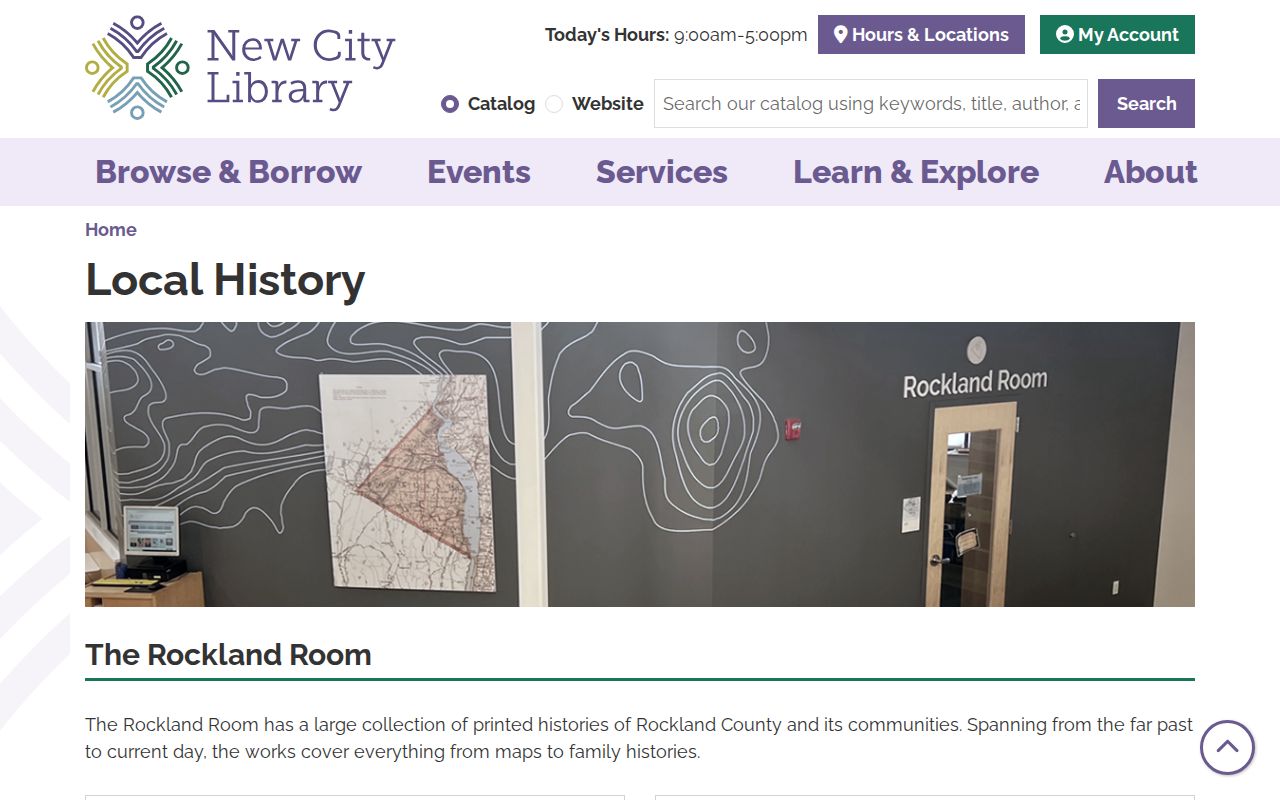
The library is the useful offline fallback when an online index does not expose an old address or a particular directory year. Its newspaper and reference holdings also provide a way to test a directory clue against a dated local notice.
How Clarkstown City Directory Entries Read
A physical Rockland Cross Reference Directory or telephone-book page still needs inspection before anyone describes its abbreviations as a fact. No public local entry image was located in the research. The inventory below is therefore a check list for the volume itself, not a claim that every field or mark appears in every Clarkstown city directory volume. Photograph or note the volume year, page, publisher, and shelf label before comparing entries across years.
| Entry detail to inspect | What to verify in the volume |
|---|---|
| Printed name | Confirm surname, given name or initials, alternate spelling, and any married or widow notation only if it is present. |
| Street location | Record the number, street spelling, and apartment or unit detail if the volume prints it. |
| Telephone or listing marker | Check whether the item is a subscriber entry, a business designation, or a notation showing no telephone. |
| Household or occupation detail | Verify spouse, household, occupation, owner, or residence-status marks from the actual page. Their local format is not confirmed online. |
| Volume evidence | Keep the page or call number, publication year, abbreviation key, and the name of the section used. |
- Criss-cross directory
- An address-first directory. The documented Rockland Cross Reference run is the local reverse source for moving from a street location toward a listed occupant or subscriber.
- Householder index
- A name arrangement intended to identify a household. Whether a specific Clarkstown volume uses one must be checked in that volume.
- Abbreviation key
- A publisher's explanation of shortened terms and marks. Read it before interpreting any symbol on an entry page.
Do not turn a directory line into proof of identity or residence by itself. A date, parcel record, deed, census line, obituary, or probate file can provide the second source needed to distinguish similar names.
Tracing Clarkstown Directory Households
Follow one address and one name at a time. The 1978-1999 Cross Reference Directories create a late twentieth-century bridge, while telephone books provide a longer subscriber trail from 1910 through 1998. Pair those volumes with public federal census years through 1950 and with the New York state census or enumeration references when a federal decade leaves a gap. Keep the source's hamlet label exactly as printed before joining it to a modern Clarkstown address.
- Start with the address in the appropriate Cross Reference Directory or telephone volume and record every printed initial, unit, telephone indicator, and street spelling.
- Check adjacent directory years for continuity, moves, spelling changes, and a possible change in the listed subscriber.
- Search the same name and street in the relevant federal census or New York state enumeration material, keeping in mind that enumeration geography is not a modern street address.
- Compare the timing with the current assessment record and a County Clerk deed, noting the difference between an assessed owner and a listed household.
- Use an obituary request, dated newspaper notice, or Surrogate file to test a disappearance, death, estate connection, or later transfer.
Move slowly when initials change. Historical telephone volumes can omit non-subscribers, and a cross-reference entry can reflect a listed subscriber rather than every person at the location. Modern address evidence belongs with the Clarkstown street directory record trail.
Note: Preserve the source year and page beside every conclusion, because a later directory cannot establish what a household looked like in an earlier year.
Clarkstown Directory Gaps in Newspapers
Clarkstown city directories do not cover the whole record history. New City Library holds newspapers on microfilm that begin before the documented telephone and cross-reference runs. The Rockland County Messenger is listed for 1847-1873 and 1884-1896. City and Country is listed for 1860 and 1869-1916. The Rockland Journal News begins in 1850, and the Nyack Evening Star and Rockland County Times provide additional local windows. These are dated publications, not complete resident rolls.
- 1847: the documented Rockland County Messenger run begins.
- 1850: the documented Rockland Journal News run begins.
- 1910: Rockland County telephone-book coverage begins in the local inventory.
- 1978: the documented Cross Reference Directory run begins.
- 1999: the documented Cross Reference Directory run ends.
The Genealogical Society of Rockland County directs researchers to cemetery, church, funeral-home, naturalization, and census resources that can help interpret a newspaper or directory lead.
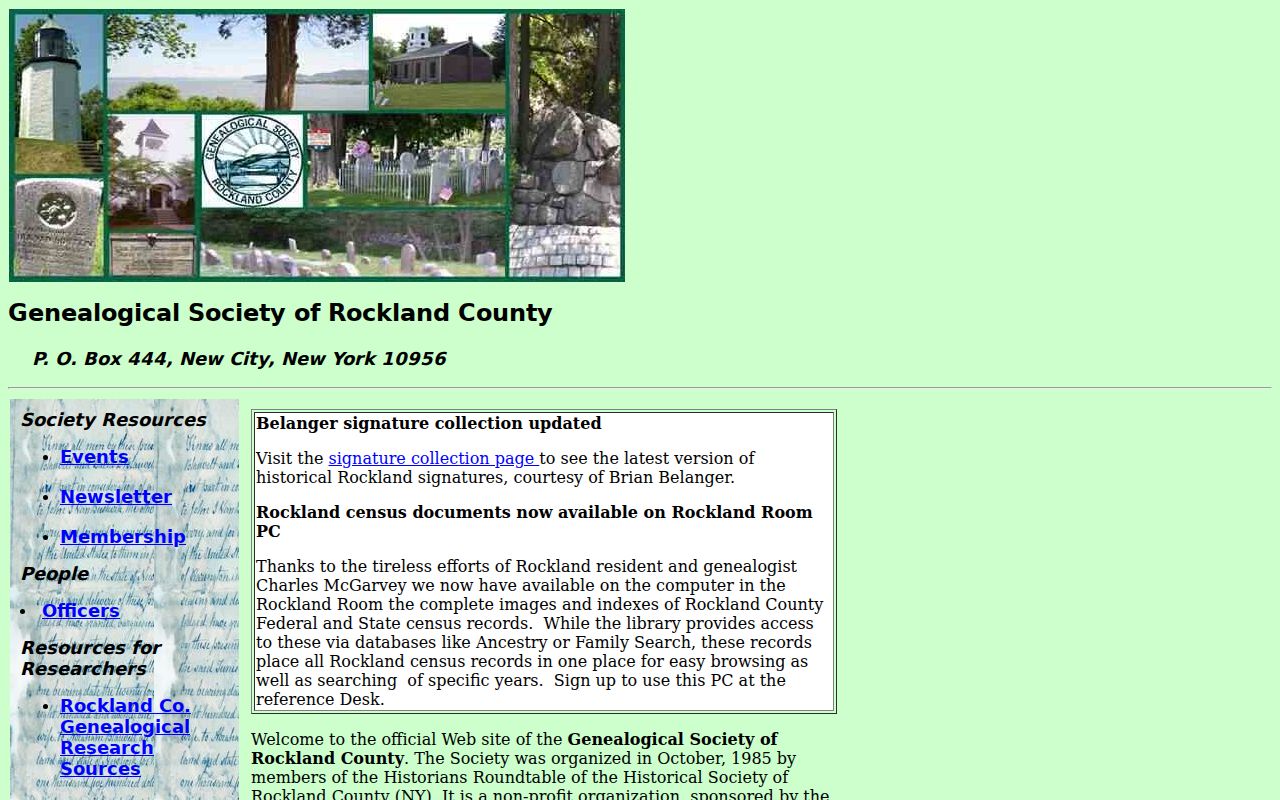
Use the printed issue date and source title with any name found in a notice. That small record of provenance makes it easier to reconcile a spelling variant or a different hamlet label later.
Clarkstown Directories Before Rockland County
Clarkstown became an official town on March 18, 1791, after separation from Haverstraw. Rockland County was created from Orange County on February 23, 1798. That sequence matters for very early families and land trails. A search that stops at a modern county label may miss older material filed in the prior Orange County system or in a historical atlas, tax roll, deed, church, cemetery, or newspaper series.
The County Archives lists deeds and mortgages from 1798 to the present, census books from 1800-1925, naturalization papers from 1812-1991, and tax and assessment rolls from 1855-1964. Those numbers make clear why a directory trail often has to hand off to other record types. Note: No Clarkstown-specific courthouse disaster or destroyed-record event was documented in the research, so no such loss should be assumed.
Clarkstown Directory Clues Need Proof
A historical directory is a lead, not a verdict. Telephone books identify subscribers, not every resident. A cross-reference source is designed for address-to-occupant or subscriber research, while the assessor describes a current parcel and its assessed owner. These records can disagree without either being a simple mistake. Mailing addresses, alternate spellings, hamlet names, unit numbers, and changing street patterns all matter.
For a person or household claim, pair a directory result with a source that answers a different question. The Clarkstown assessment search can provide current parcel context by owner name, legal address, or parcel ID. The Rockland County Clerk indexed-record search can connect a recorded party to a deed and legal description. Neither source is a complete household list. Use public historical material carefully and never use a record to harass or harm a living person.
Clarkstown Directory Archive Context
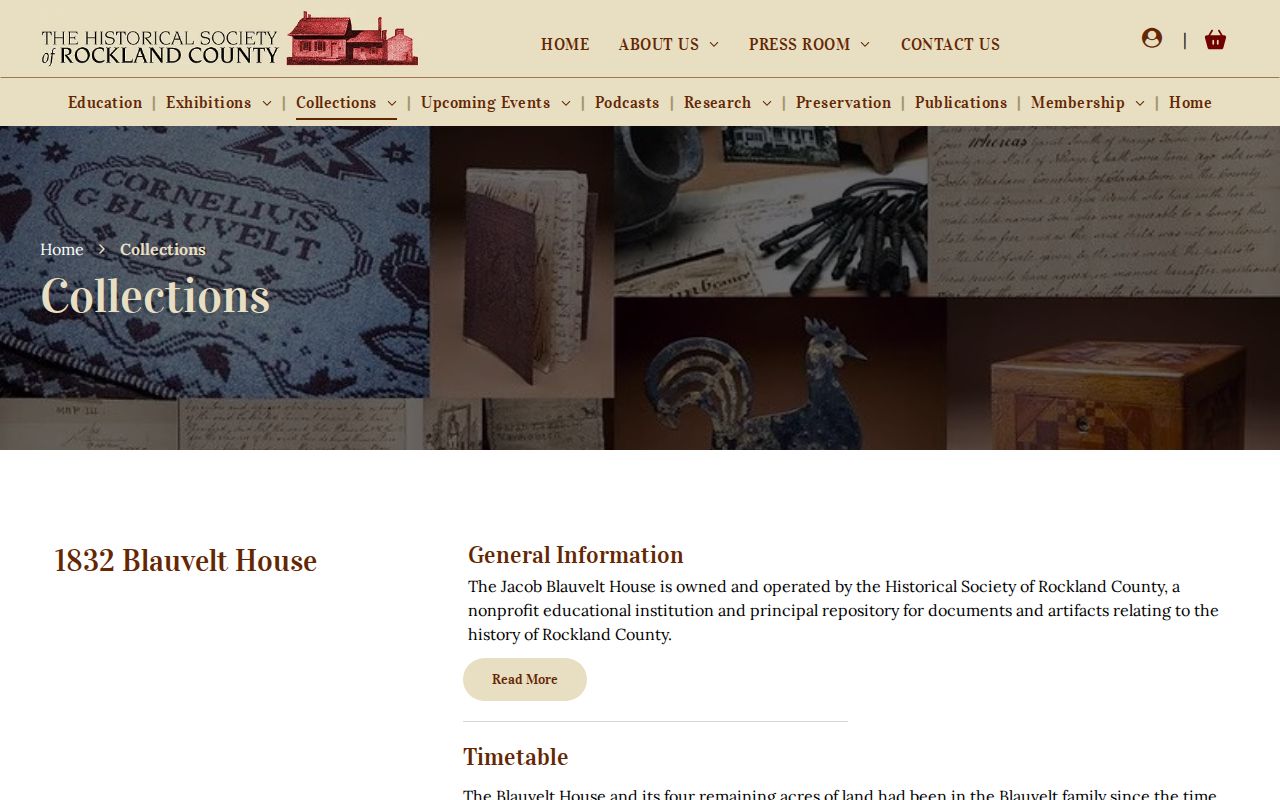
The Historical Society of Rockland County collections add material a historic volume may never print: family papers, photographs, maps, local institutions, farms, and original documents. Its holdings include about 185 cubic feet of manuscripts, photographs, and paper ephemera, plus about 3,650 objects spanning the late seventeenth century to the present. Searchable issues of South of the Mountains cover 1957-2013 through New York Heritage.
Research is appointment-based, generally Wednesday through Friday mornings, and remote requests are also available under the Society's stated policies. A manuscript or oral-history account can explain a street or household connection, but it remains context until a dated directory, deed, assessment, census, or other primary record supports it.
The Historical Society collections page is the source for this Clarkstown historical-research companion material.
New City Library also maintains more than 100 oral histories begun in 2014. They are valuable memory sources, yet a recorded deed or dated directory should carry the proof of a particular address or household.